About NSS
Accelerating Education with Neuroscience:
Unlocking Potential Through Brain Science
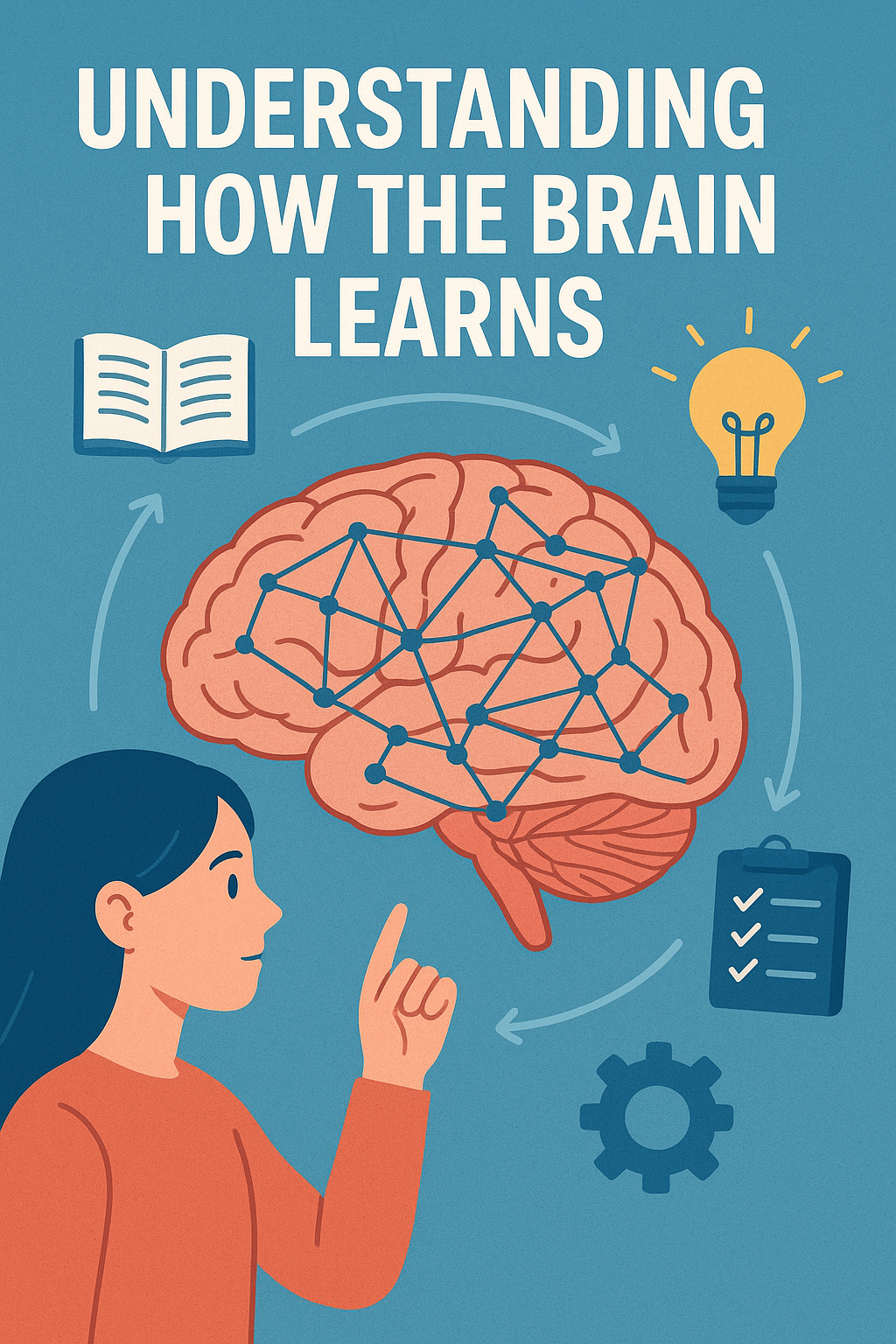
In the 21st century, the intersection of neuroscience and education offers transformative potential. As we face an increasingly complex world, traditional education systems—often rigid and time-consuming—struggle to keep up with the needs of learners. By applying findings from neuroscience, we can design education systems that not only shorten the time students spend in school before reaching college or careers but also deepen their learning and personalize their academic goals, especially in subjects they are most passionate about.
|
At its core, neuroscience reveals how the brain processes, stores, and retrieves information. Foundational concepts like neuroplasticity (the brain’s ability to change in response to experience) and working memory capacity have significant implications for education.
Children’s brains are especially plastic, meaning early interventions and optimized learning strategies can dramatically improve cognitive outcomes. The more we understand about how neural circuits develop, the better we can tailor learning experiences that stick. For example, research shows that spacing learning over time, interleaving topics, and retrieving information through active recall strengthen long-term memory. These strategies can replace passive repetition and over-reliance on rote memorization, which often dominate traditional classrooms. Schools informed by neuroscience can use these approaches to teach more in less time, increasing learning efficiency. Personalized and Accelerated Learning Paths |
One of the most promising applications of neuroscience is personalized learning—an educational approach where the pace, content, and style of instruction are tailored to an individual learner’s needs. Brain imaging and cognitive assessments can help identify students’ strengths and areas needing support. For instance, a child with a high visual-spatial aptitude but weak phonological processing might thrive in math or engineering but struggle with reading. Recognizing this early allows educators to adjust interventions and curricula to unlock each student’s potential.
This approach can reduce the need for remediation later in life and enable faster progress through academic milestones. Instead of a one-size-fits-all model where students graduate at 18 and begin careers at 23 or older, a neuroscience-driven model could allow students to complete high school and even early college credits by age 15–17, particularly in focused career tracks.
This approach can reduce the need for remediation later in life and enable faster progress through academic milestones. Instead of a one-size-fits-all model where students graduate at 18 and begin careers at 23 or older, a neuroscience-driven model could allow students to complete high school and even early college credits by age 15–17, particularly in focused career tracks.
Reinforcing Learning Through Brain-Based Tools
Neuroscience also gives us tools to reinforce deep learning in subjects of choice through:
|
1. Emotional Engagement
The limbic system plays a powerful role in learning. When students are emotionally connected to a topic, their brains encode information more deeply. Educators can harness this by creating relevance and narrative around lessons, connecting subjects to real-world issues students care about. |

|
2. Multisensory Learning
Research confirms that multi-modal instruction—using visuals, movement, sound, and touch—activates more regions of the brain, increasing retention. Students who engage with material through games, simulations, hands-on experiments, or storytelling retain more than those who passively read or listen. |
|
3. Sleep and Memory Consolidation
Sleep plays a critical role in consolidating learning. Neuroscience can inform school policies (like later school start times) and encourage sleep-aware study habits to enhance academic performance naturally—without overburdening students. |

|
4. Cognitive Training & Neurofeedback
Some programs use working memory training, attention exercises, and even neurofeedback to help students improve executive function. While more research is needed, early data suggests these tools may help students focus longer, resist distraction, and manage academic stress. |
Restructuring School Systems
To truly benefit from neuroscience, education systems need structural changes:
Equity and Access
Importantly, applying neuroscience can level the playing field for underrepresented minorities and low-income students. Brain-based teaching strategies are cost-effective and scalable. They don't require elite resources—just informed teachers and flexible systems. Schools serving marginalized populations can use these methods to boost engagement, increase graduation rates, and connect students to careers faster.
Neuroscience isn't just a buzzword—it’s a gateway to transforming how we learn, how fast we learn, and how deeply we master chosen subjects. By designing education systems that align with how the brain naturally learns best, we can help students graduate earlier, pursue careers sooner, and thrive in subjects that fuel their curiosity and creativity. The future of education is not only faster—it’s smarter, deeper, and more human.
- Flexible pacing: Let students advance as they master content, not by age.
- Neurodiversity support: Use brain-based diagnostics to support learners with dyslexia, ADHD, or processing disorders.
- Career-aligned learning: Neuroscience shows motivation spikes when students feel autonomy and purpose. Schools can offer early specialization pathways, allowing students to dive deeper into chosen subjects (e.g., biology, robotics, creative writing) and form a career identity earlier.
Equity and Access
Importantly, applying neuroscience can level the playing field for underrepresented minorities and low-income students. Brain-based teaching strategies are cost-effective and scalable. They don't require elite resources—just informed teachers and flexible systems. Schools serving marginalized populations can use these methods to boost engagement, increase graduation rates, and connect students to careers faster.
Neuroscience isn't just a buzzword—it’s a gateway to transforming how we learn, how fast we learn, and how deeply we master chosen subjects. By designing education systems that align with how the brain naturally learns best, we can help students graduate earlier, pursue careers sooner, and thrive in subjects that fuel their curiosity and creativity. The future of education is not only faster—it’s smarter, deeper, and more human.
|
|
|
|
Before you close your eyes tonight,
Look into your reflection — not just to see yourself, But to witness the untold stories in the eyes of others. In that mirror lives the struggle of a child trying to read, The quiet hope of someone learning in silence, The brilliance waiting to be seen — just like yours. Learning is not equal, but it is human. And every life reflected holds a mind worth understanding. |
|