NSS by Joshi Villagomez
The brain is wider than the sky,
for, put them side by side,
the one the other will contain
with ease, and you beside.
The Brain is deeper than the sea,
for, hold them, blue to blue,
The one the other will absorb,
as Sponges, buckets do,
The brain is just the weight of God,
for, heft them, pound for pound,
and they will differ, if they do,
as syllable from sound.

           -Emily Dickinson
  • Home
  • About
  • Participate
  • Blog

11/8/2018

Analysis on "The New Brain," and a brief comment on education

0 Comments

Read Now
 
Picture
As a regular guy, observation has been my primary source of evidence, and through comparing and looking in detail to the educational system in the United States I have come to the conclusion that instead of fixing the educational system to improve the education in individuals they extend the academic pathway followed by a MD or PhD. And after all those discoveries that science do and new terminology is created, what would be next after PhD?

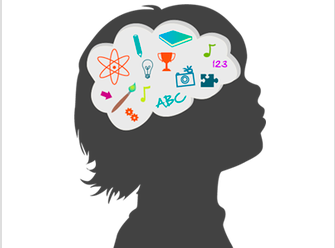
         One of the most profound questions asked in the field on neuroscience is how much capacity does our human brain have to acquire knowledge, is it finite or infinite?  In his book, The New Brain, Richard Restak infers that all brains are biologically homogeneous, but that performance of our brains is more related to environmental and formal stimulation. He acknowledges that stimulating our brains intellectually is the most important function in determining intellectual capacity and cognitive development. 

         Based in part on this acknowledgement, this discussion follows the line of thought of Dr. Restak and expand on the subject of intellectual acquisition based on the primary factor of brain stimulation utilizing the most current research based on the concept of neuroplasticity and other environmental factors that contribute cognitive development.   


        Recent research in school performance continues to show a decline in the intellectual capacity of middle and high school students, even though kids are in school an average of four days a week and study an average of 17 years before entering higher education institutions. By most accounts, the education system in the United States, to the detriment of most pedagogical research, is not producing high intellectual capacity and knowledge in high school graduates. In fact, most high school graduates lack the preparedness to successfully perform in higher education.  The new Common Core Standards, developed by the Department of Education and adopted by most state governors is an attempt to revert this trend.  The problem of intellectual attainment is even worse for certain minority groups. Now this is not coincidence, it is directly related to the infusion of knowledge to develop intellectual capacity. All human beings are born with the same biological brain, therefore intellectual attainment is more a fact of extensive brain stimulation in intellectual areas, and not deficiencies based on culture or race.  

       In addition to the research conducted by Dr Restak, Nick Van Dam director and chief learning officer in global talent for Deloitte Touche Tohmatsu Limited and founder-chairman of the e-Learning for Kids Foundation, in his article “Inside the Learning Brain” provides an overall overview of improving the learning techniques by the intervention of neuroscience. Active engagement, focused attention, deployment of short learning sessions are some of the points that he explains are fundamental for a better learning. Neuroscience in conclusion, is fundamental for the better learning and creation of a better educational system model.  

Share

0 Comments


Leave a Reply.

Details

    Author

    I do not limit my brain to think, but time limits my freedom to write and share. While it might seemed that I am absent, my essence will continue to be here. Thanks for reading!  -Joshi 

    Archives

    October 2025
    November 2018

    Categories

    All

    RSS Feed

Site powered by Weebly. Managed by Bluehost
  • Home
  • About
  • Participate
  • Blog